Skin is the largest organ of the body, so it's not surprising that dermatologists treat over 3,000 different skin conditions including acne, psoriasis, eczema, fungal infections and cancer, to name a few.
Dermatologists have a wide range of medical and cosmetic treatment options to offer patients. Many dermatological conditions can be treated with medication and non-invasive therapies, while other conditions require surgery.
It is important to see a dermatologist to assess your particular concern and get the treatment that is right for you. The following is an overview of some of the treatment options commonly used by dermatologists.
Dermatology Treatments
- Acne removal: When acne does not respond to medicine, the dermatologist may perform a procedure called "drainage and extraction."
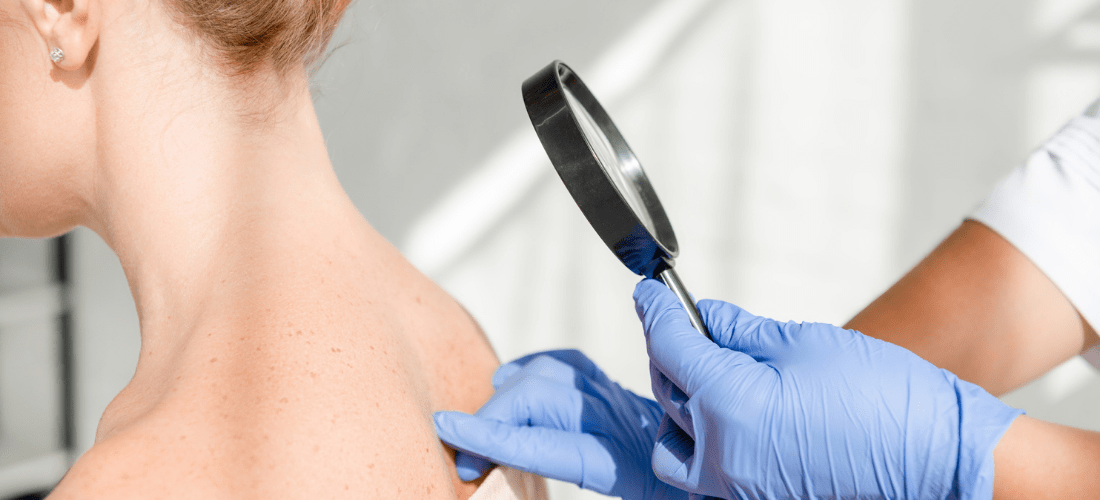
- Biopsy: Small sections of skin are removed to diagnose or rule out skin conditions.
- Chemical peels: A chemical solution is applied to the skin, causing a layer of skin to peel off and leaving a layer of regenerated skin underneath.
- Cosmetic injections: Temporary treatment for wrinkles, scarring and lost facial fullness.
- Cryotherapy: Skin lesions are frozen using liquid nitrogen. Used to treat many benign skin conditions
- Dermabrasion: A high-speed rotating brush reduces scar tissue, fine wrinkles, tattoos, and potentially precancerous skin patches.
- Excisions of lesions: Removal of skin to prevent disease from spreading, for cosmetic reasons, to prevent repeat infection, to alleviate symptoms and for diagnosis.
- Mohs surgery: A specific type of surgery for skin cancer where successive layers are removed until the surgeon can find no more cancer cells. Mohs surgery requires additional medical training and is only performed by a Mohs surgeon.